
Global challenges—climate change, conflict, disease—demand collective solutions. International cooperation, often polarised in public debate, is essential to align national and…
The Threshold of a New World Order
By  2025-08-05T15:08:58+00:00July 31, 2025|
In 2016, nearly a decade ago, significant changes were already looming in the world. Great Britain had decided to leave the European Union, while continental Europe grappled with devastating terrorist attacks. The Greek economy teetered on the brink of collapse, and Russia’s annexation of Crimea shook the foundations of European stability. Additionally, the shadow of the first electoral victory of a figure as nonsensical as dangerous in the United States, Donald Trump, was imminent. And the far right was gaining ground throughout Europe. The post-Cold War world was entering its twilight.
It was clear then, as it is now, that world politics was at a turning point. It is sad to see how many of the nascent developments of the past decade have solidified. Old certainties are fading, and what will replace them is still uncertain. This vacuum fuels chaos and anarchy in international relations. For those who benefited from and were accustomed to the established order, especially in Europe, these times have become an era of anxiety and uncertainty. The hustle with which Europeans are finally waking up from their Sleeping Beauty dream would be amusing, were it not for such sad circumstances. Geopolitical and social dynamics are at stake. What were once gradual changes have now become tectonic movements. Alliances are being altered like never before, and global power is being redefined.
Donald Trump’s second presidency clearly illustrates this shift. His return to power, this time without apparent restrictions, was initially met with remarkably diminished internal and external resistance. Both Republicans, the political opposition, and American civil society seemed to have fallen into a paralyzing self-censorship. Recent protests give hope, as well as the midterm elections in 2026, but given the speed of events, it might be too late.
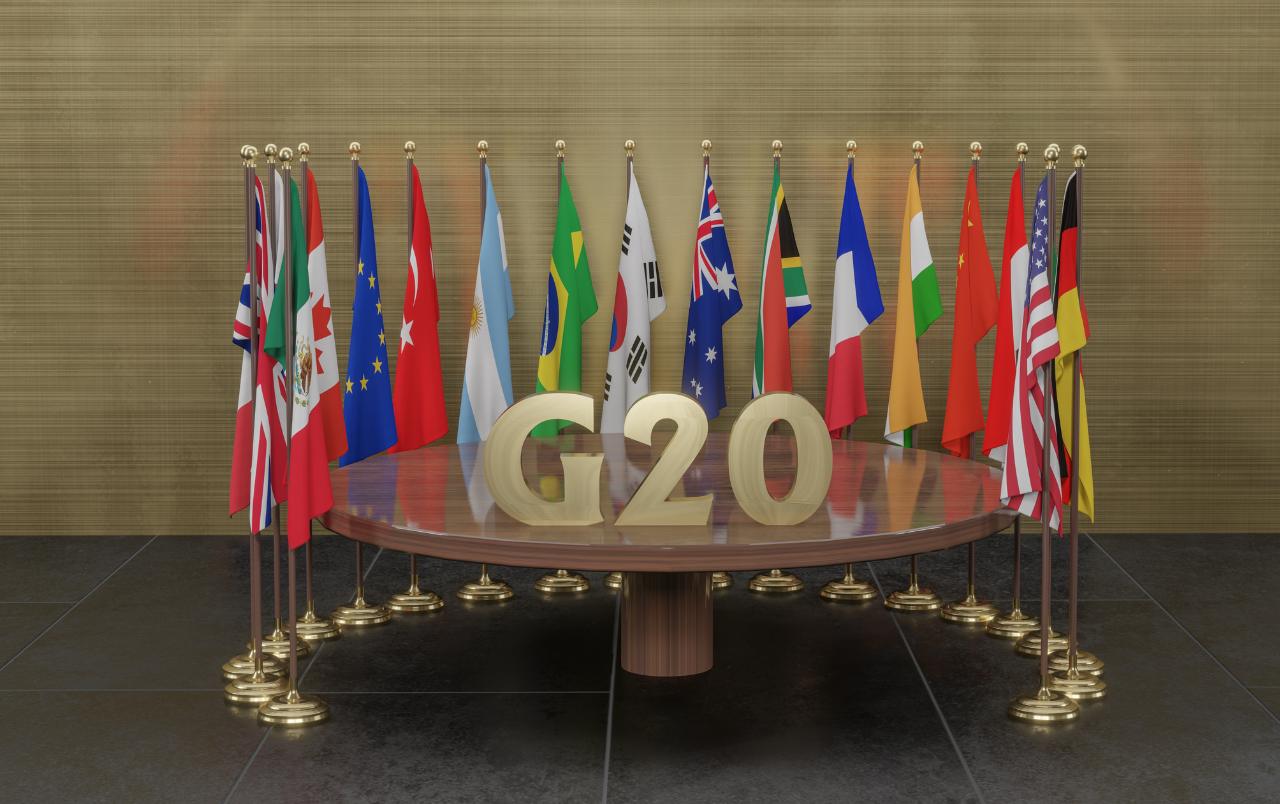
On the other hand, for many in the Global South or the so-called “global majority,” accustomed to chronic uncertainty, these turbulent times instead represent opportunities to redefine the dominant status quo in the current order. The COVID-19 pandemic and the climate crisis have exposed deep global inequalities, driving an urgent call for justice and equity. The Global South is emerging with a stronger voice. It is demanding a new role in the world order that reflects its realities and aspirations. The four consecutive G20 presidencies of Global South countries (Indonesia, India, Brazil, and this year, South Africa) clearly mark this trend. The political agenda defined by these countries differs from that of northern countries. It prioritizes issues such as climate change, social equality, and multilateral system reforms, which primarily and rightly affect the global majority.
The truth is that the outgoing order was not fair to everyone, and that is reflected more than ever. Therefore, although chaos is now visible, the pieces are being rearranged. In this context, it is crucial to reflect on how to face these global challenges together. The world needs leaders willing to navigate turbulent waters with courage and clarity of vision, but who are also willing to extend a hand to others. The response to emerging disruptions cannot be fear, passivity, or retreating to nationalism. Rather, it must be a renewed commitment to the principles of justice, equity, and respect for human rights; now more than ever.
The global landscape seems bleak, yes. But it also offers the opportunity for a rebirth. It gives space to new ideas and leadership to guide a world in constant transformation towards a more just and sustainable future. The challenges are global and must be faced together.
We are in the midst of a tumultuous transition. The key lies in our ability to adapt and collaborate.