
Join us for the launch of Global South Perspectives, a new publication by Southern Voice. This virtual event explores pressing…
Finding the Global South’s Footing in the Narrative Power Debate
By  2026-05-08T13:18:18+00:00May 8, 2026|
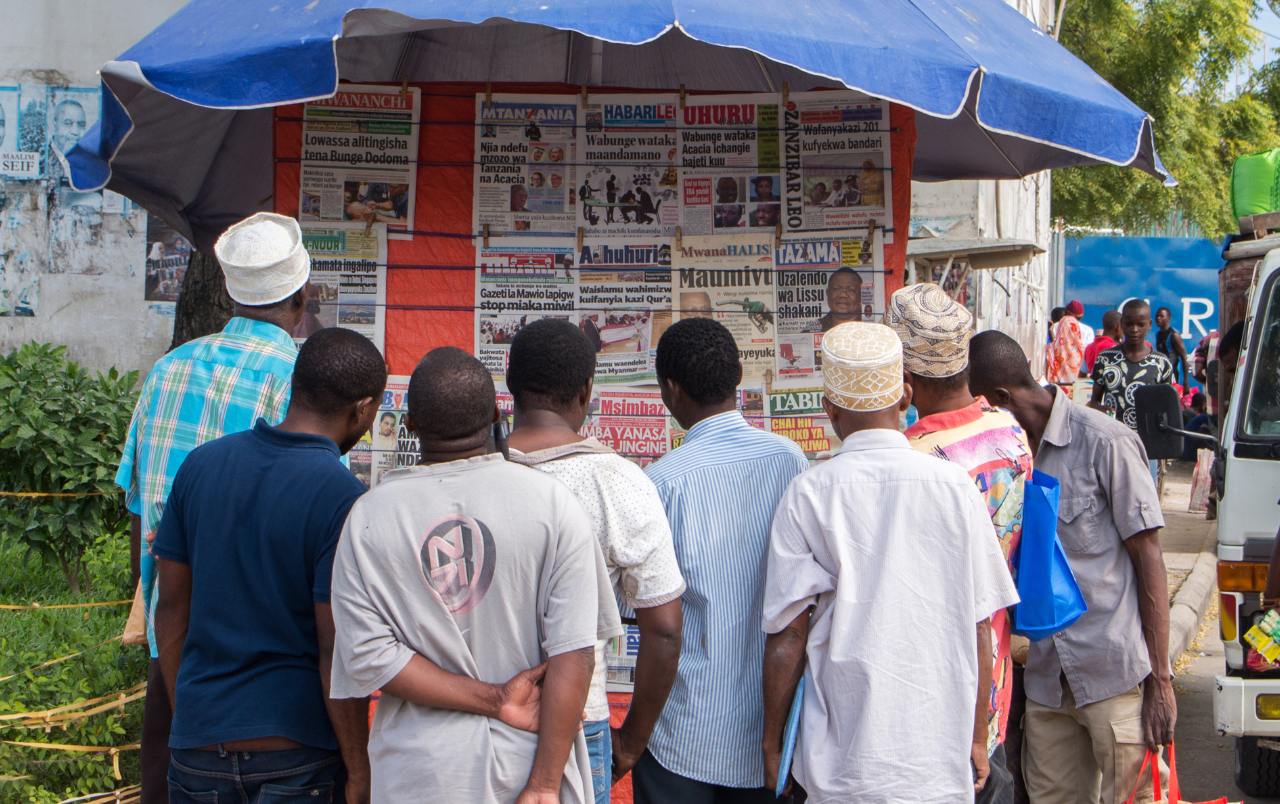
Narratives have always played a powerful role in shaping how we understand the world. Political campaigns rely heavily on headlines and media; rumours in pop culture spread like wildfire. This influence is not limited to politics or entertainment.
In development, narratives strongly influence which issues are prioritised and whose voices are heard. More often than not, these narratives are shaped by those who already hold power and resources. Over time, this has created an imbalance in which perspectives from the Global South are misinterpreted or, at times, overlooked entirely.
Absence from the conversation means your story can be told for you, risking loss of context and vital omissions. What starts as a partial view quickly becomes a distorted reality. Misconceptions take root simply because those closest to the issues are not the ones shaping the narrative.
It is from this reality that The Compass: Voices from the Global South was created. The idea was to build space for our members to speak in their own words and terms about the work they are doing, and the perspectives they bring. Not as a formal panel or a structured event, but as a conversation. One that is open and grounded in experience, and that needs no intermediaries because it speaks for itself. In doing so, the series places Southern Voice more clearly within the broader discussion on narrative power, and shows that across the network, there is already a great deal of work underway to address these imbalances.
The Compass Motive
The name The Compass carries its own meaning. It is a nod to Southern Voice’s early brand identity, but it also reflects a broader idea. A compass provides direction, especially when the path ahead is unclear. In many ways, this is what the series set out to do.
Across the five episodes, a few themes came up again and again. From the start, there was a clear sense that the current moment, marked by uncertainty in global systems, also presents an opportunity. As those systems are being questioned and reshaped, there is space for new voices to step forward. But stepping forward is not just about being present – it is about being heard.
A Meaningful Seat at “the Table”
This idea of inclusion was threaded into later discussions, with participants speaking about what it really means to be “at the table.” There was a shared understanding that recognition alone is not enough. Having a seat does not automatically translate into influence. A meaningful (and not just symbolic) presence requires the ability to contribute and to shape outcomes. That, in turn, depends on having access to evidence, confidence in one’s position, and the space to speak.
One key conversation that stood out analysed the relationship between data and narrative power. As Adebukola Daramola (NISER, Nigeria) put it, “the one who has access to data wields the power to control narratives.” Without ownership of data, it becomes difficult to fully shape the stories that inform policy and decision-making.
Across these varied conversations, the vodcast highlighted a deeply personal dimension to the work. Participants reflected on the specific misconceptions they encountered and the tangible impact such narratives have on development outcomes. Ultimately, the series showcases how organisations across the Global South are becoming intentional in their communication; actively setting their own internal directions to ensure their stories are told with authenticity and shared on their own terms.
If there is one thing that stands out from The Compass, it is that the Global South is not starting from scratch. The work is already happening. The knowledge exists, and the voices are there, but what is needed is continued space, visibility, and the willingness to listen. First to ourselves, and then to wield power across hemispheric discussions.
Looking Ahead
Finding our position in the narratives discussion is more than replacing one dominant voice with another; it is about making room for a more complete picture. And in that sense, perhaps the role of a compass is to remind us that direction matters, especially when deciding whose voices shape the future.
All five episodes of The Compass are available on Spotify and YouTube.